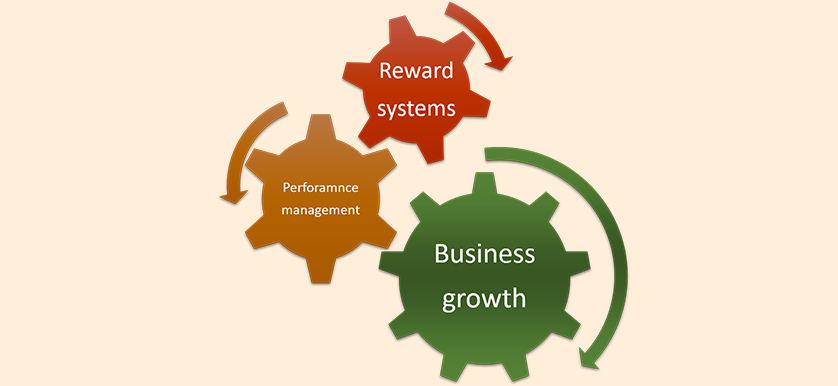
Strategic planning is the process of defining the future directions of an entity, be it organization, department or employee, by setting the goals and the means to achieve them. To ensure productivity, improve communication and deliver better business result, employee reward systems should be carefully aligned with the strategic objectives.
Individual responsibility comes together with an organizational culture that is based on values such as reliability, transparency and autonomy. These values imply open mindedness and open communication with employees, trusting them that they will successfully manage and finalize their projects without the need for constant monitoring and control from the management’s side.
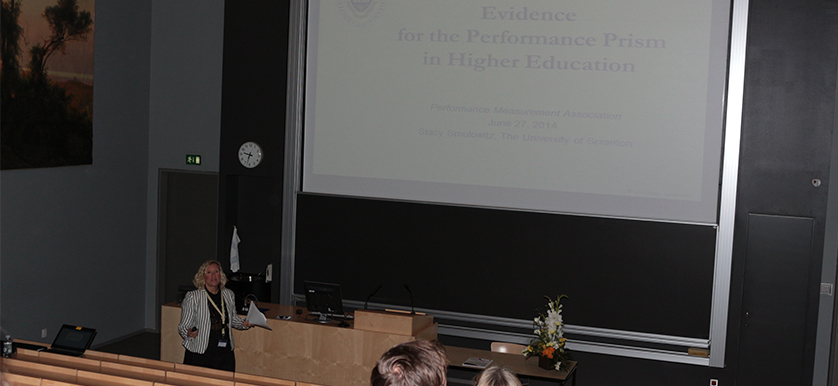
The presentation “Evidence for the Performance Prism in Higher Education” was offered, in the third day of the PMA 2014 Conference, by Stacy Smulowitz, from The University of Scranton.
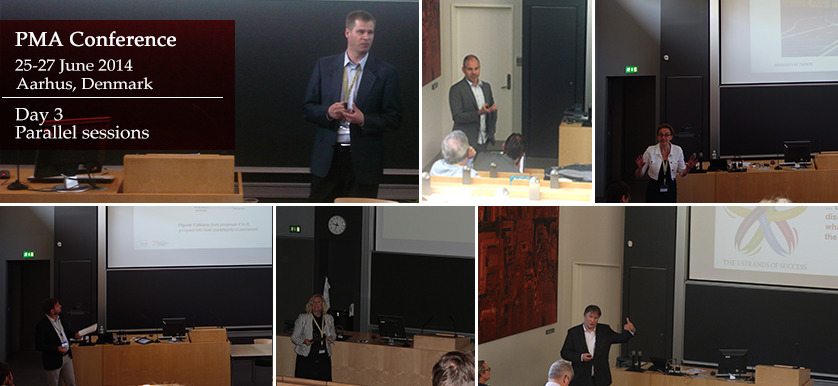
27th June 2014 was the 3rd and last day of the 8th Edition of the Performance Management Association Conference, hosted by the Aarhus University, in Denmark.
The conference day started with a keynote presentation, by Professor Andy Neely, of the Cambridge University and Director of the Cambridge Service Alliance. Dubbed Next generation Performance Management & Measurement: the Big data revolution, the presentation showed how the current perspective in performance management has become too narrow and brought attention to the need for innovation.
The presentation “Future of Performance Management and Measurement. An empirical evidence” was offered, on the third day of the PMA 2014 Conference, by Sai Nudurupati, Senior Lecturer at the Manchester Metropolitan University, Patrizia Garengo, Lecturer in the Department of Industrial Engineering of the University of Padua, Umit Bititci, Professor & Director of the School of Management and Languages from the Herriot Watt University and Alberto Sardi, also from the Department of Industrial Engineering, of the University of Padua.