The performance of a team and its achievement inside an organization represent one of the aspects that help an organization to record good results and perform better. In order to attain performance according to the goals that are set, teams should be built around people who are willing to work together, so that, at the end of the day, the desired outcomes are met.
There are two main things in stake for suppliers who pursue the opportunity of being enlisted in the large supplier panel of 1st class global companies like IKEA, or H&M: increasing revenue and strengthening their clients’ portfolio.
Non-executive boards seem to have been left behind in terms of performance measurement, as there are few insights into how this process can be optimized, in order to increase boards’ effectiveness and to make sure they lead organizations towards success.
“If you pick the right people and give them the opportunity to spread their wings—and put compensation as a carrier behind it—you almost don’t have to manage them.” Jack Welch
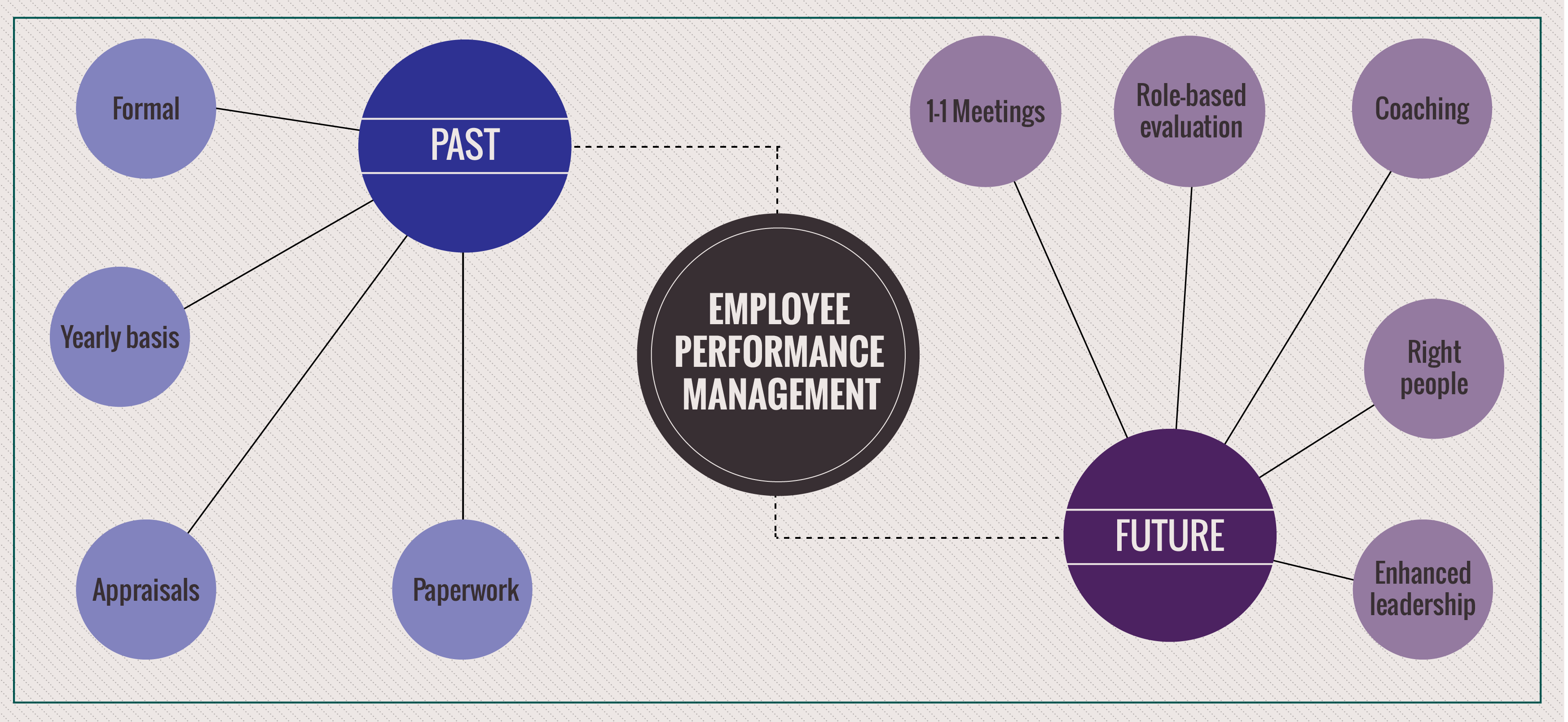
Performance management, and especially performance management at individual level is a hot topic, debated by HR professionals, managers, employees, academics, researchers and practitioners alike. In the past almost 50 years, ever since it started being formally implemented, both the process itself and the name used to describe it have gone through numerous changes. So what is in store for performance management?