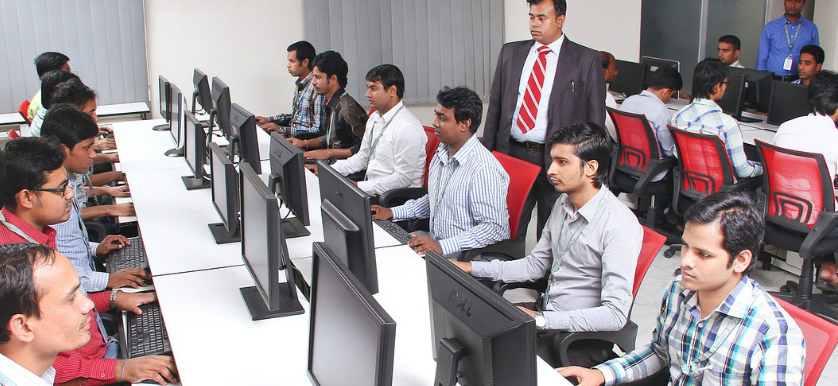
By leveraging on the tremendous dynamic of nowadays technology development, more and more companies focus on the strategic role of continuous education of their employees while adopting e-learning tools to enhance their competences and knowledge.
The International Air Transport Association’s (IATA) forecasts for 2015 include a strong passenger growth, bigger than in 2014. From 2013 to 2014, global passenger numbers rose 5.5% and aircraft load factors increased to 79.7%, globally. These aspects bring together a substantial strain on airports terminal facilities. In their efforts to enhance effectiveness, airport operators and airport terminal landside designers ensure a series of new and unique experiences, under the imprint of innovation.
“Communication is something so simple and so difficult that we can never put it in simple words” T.S. Mathews
Communication is a very important aspect in every company. Being able to communicate in an effective way with a team of employees is a skill that all managers should endeavor to have. Effective communication can improve the business as well as the bottom line, thus the employees will feel more engaged and motivated when the lines of communication within the business are open and clear.
Considering all the fast emerging trends in the information and communication technology areas, we have found our societies in a race to implement e-health systems, which guarantee improved healthcare services offers for patients and communities worldwide.
The KPI Institute’s Performance Management in 2014: GCC Special Edition report followed one of our most important editorial rules, namely the triangulation of opinions gathered from practitioners, academics and consultants alike. In 2014, Jihan AlSherif, Principal Consultant – Business Transformation at Software AG, Bahrain, was one of the consultants who offered us rich performance related insights.