“Connect the dots between individual roles and the goals of the organization. When people see that connection, they get a lot of energy out of work. They feel the importance, dignity, and meaning in their job.” – Ken Blanchard, author and management expert.
In every activity sector new trends emerge, while old trends are left behind or revamped into something new to fit the overall context in that specific area of activity. Performance management is no exception in that sense. In 2014, the trends having the biggest toll on performance management and its development were the advancements in IT, and the usage of different performance management-related tools, along with Big Data.
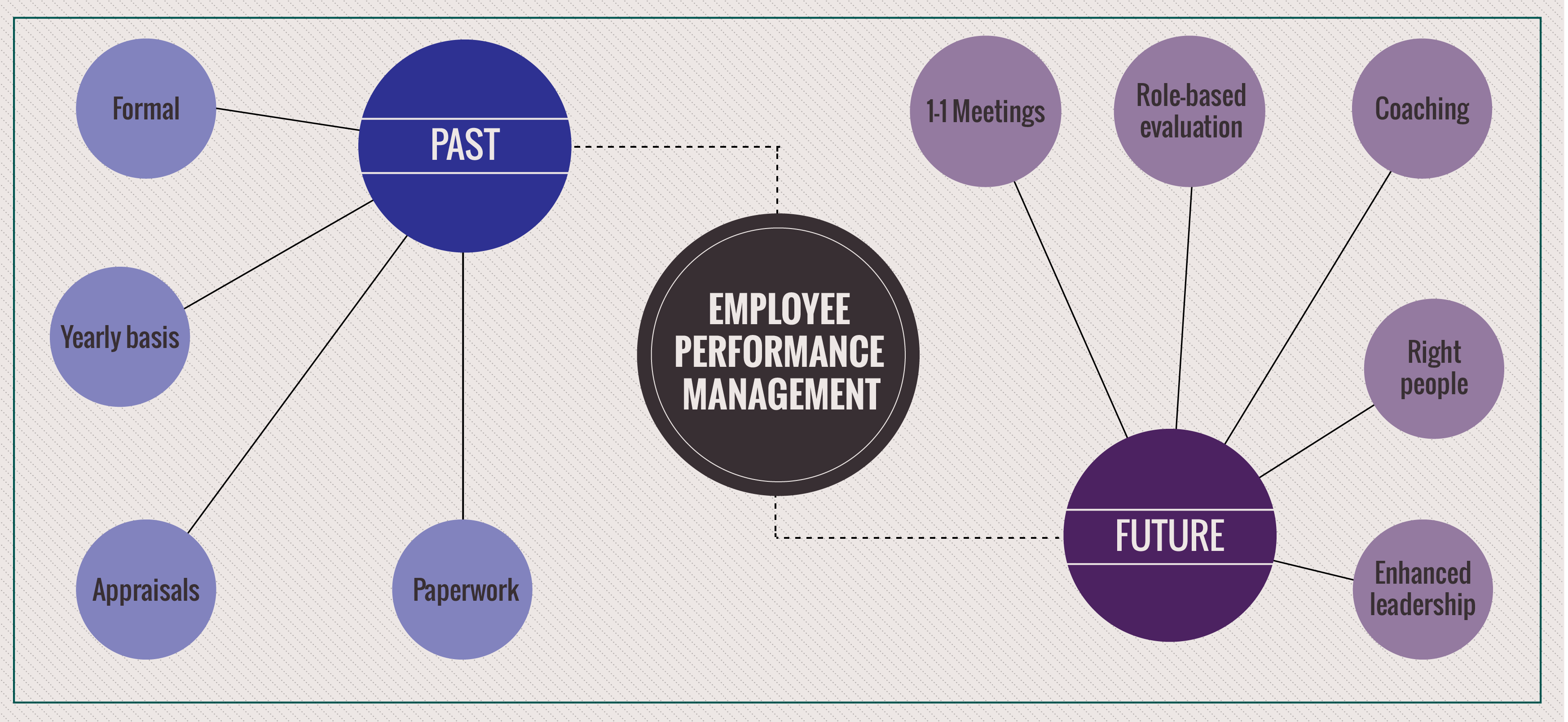
Performance management, and especially performance management at individual level is a hot topic, debated by HR professionals, managers, employees, academics, researchers and practitioners alike. In the past almost 50 years, ever since it started being formally implemented, both the process itself and the name used to describe it have gone through numerous changes. So what is in store for performance management?
The KPI Institute’s Performance Management in 2014 report is built on the belief that a balanced approach in such research endeavours can only be achieved by triangulating the opinions of practitioners, academics and consultants alike. In 2014, Rick Edgeman, Professor of Sustainability & Performance at Aarhus University, Denmark was one of the academics who offered us rich insights into performance related research and trends.
“Success is driven by performance and most people are inherently aware of that.”