The recent surge in emphasizing strategic planning and performance management in companies, regardless of their geographical location, turnover or maturity has led to an increase in the use of ‘strategy jargons’ across almost all media and communication channels. One of the most common terms that are used is Balanced Scorecard (BSC).
One of the leading international management thinkers, Professor Robert Kaplan, from Harvard Business School, made a visit in Australia in mid September 2010 to talk about the new developments in the field of strategic performance management and Balanced Scorecard.
Competition, along with the need of being the best at something are key concepts that drive companies forward. The same principle applies when it comes to educational institutions. In this market, providing quality service is a key factor in establishing a hierarchy.
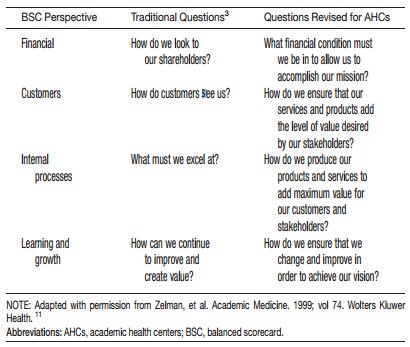
The rapid expansion of the healthcare industry has led to important developments in the domain. One of the fastest growing specialties in the field has been hospital medicine, born out of the requirement to improve efficiency and quality of clinical care in hospitals. The success and growth of this particular field is based on its primary focus: delivering safe and high value clinical care.
“If you cannot measure it, you cannot improve it.” (Lord Kelvin)
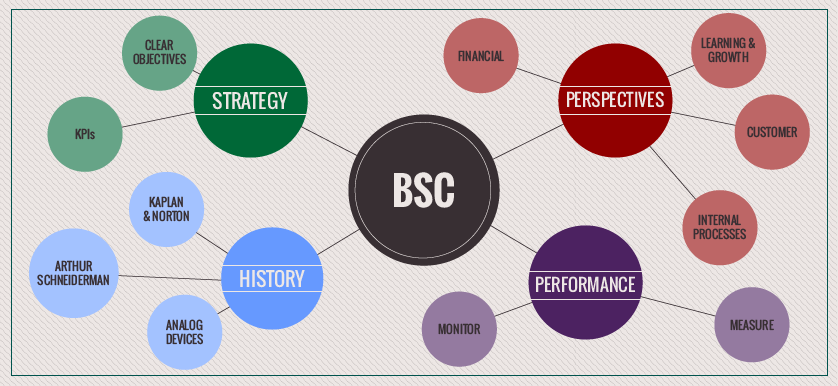
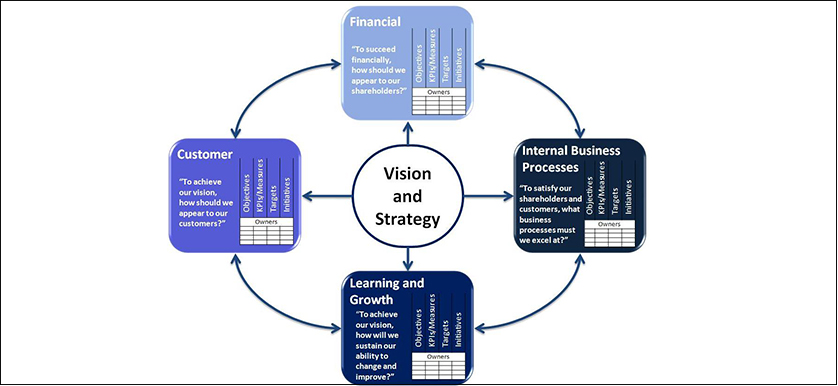
The Balanced Scorecard, or BSC, is a strategy performance management tool that helps managers to put in balance four main perspectives (the customer’s perspective, the company’s internal perspective, as well as innovation and improvement). Also, it encourages them to focus on complex cause and effect relationships and on developing a systemic aligned strategy.