One of the keys to success in benchmarking is connected to selecting the right benchmarking partners and learning from the best in class organizations. However, the process required in the selection phase is a very complex one which needs to have the proper time and resources allocated.
In a previous article, I presented the strategic plan of IFMA, the international association for facility management professionals that provides global level educational programs and conferences in the field.
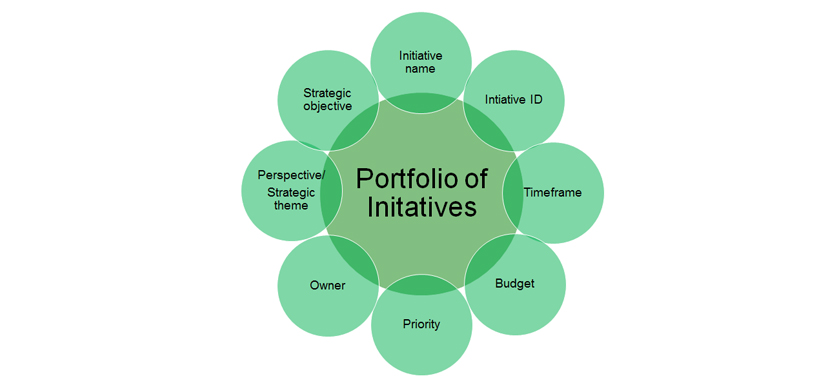
Another strategic instrument is the Portfolio of Initiatives. Initiatives or projects are the ones that help managers close the performance gap between actual results and targets. Taking actions is the first step to improvement.
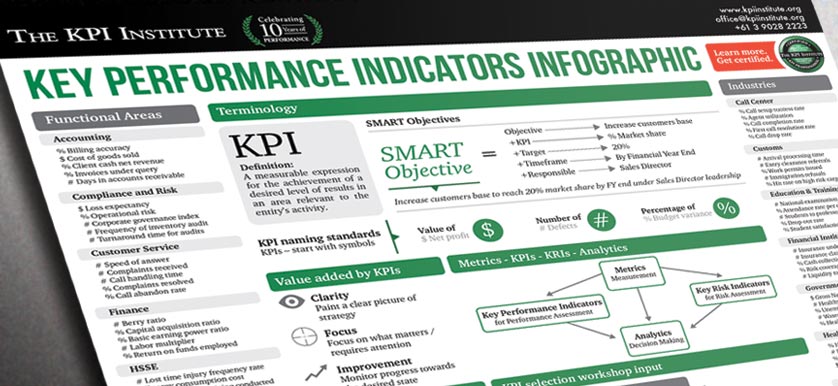
In the multitude of Performance Management tools available to be deployed across organizations, managers can become confused, while trying to identify what tools to use, when and how.
All businesses are in a continuous search for processes and quality improvements that will eventually lead them to achieving a superior level of performance in their activity.
A benchmarking study can provide several benefits, including a set of measures for assessing the performance and a baseline from which to measure improvements. In order to achieve these, one should be aware and choose the proper method and tools for conducting the benchmarking study.
Humans are highly visual creatures. This allows for a higher understanding of data and enables managers, for example, to make quicker, smarter decisions. Looking back thousands of years, cavemen used visuals to, for instance, track time, record celebrations and other such activities.