How employees perform their activities and how the results appear highly depends on the recognition they get for it. Employee compensation is greatly regarded by managers and employees alike, as it increases the motivation force among the company members, thus leading the company towards great achievements. The recognition employees get for their work should match the contribution and result of each and every one.
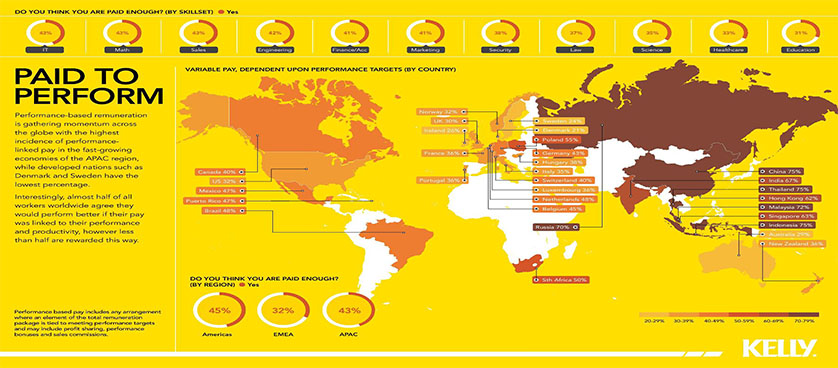
Typically, having employees’ productivity assessed against agreed benchmarks enhances managers monitor if the personnel is meeting the expectations set. As a consequence, the workplace performance influences employees’ payments: increased productivity leads to higher financial benefits, while low productivity attracts reduced levels of the salary.
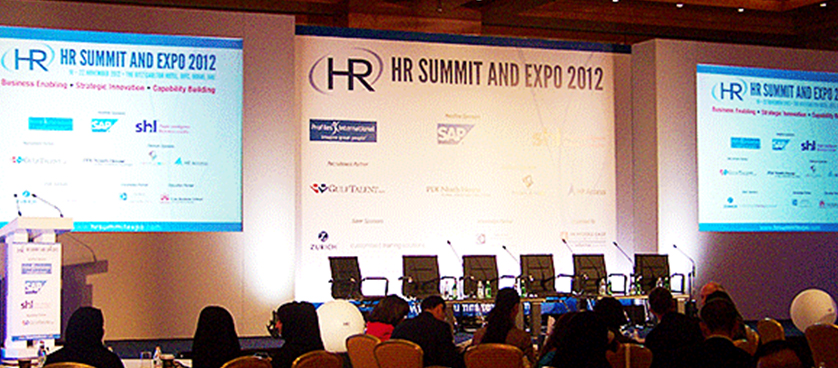
Deepak Gupta, Managing Director – Middle East at PDI Ninth House moderated a panel discussion with focus on leadership development as part of the second day of the HR Summit and Expo 2012.
Towers Watson’s 2010 HR Service Delivery and Technology Surveyof nearly 500 large and midsize companies around the world clearly underlines that the top priority of HR executives in 2010 was talent / performance systems. The explanation for this result lays in the learning of the organization during the recession, that in order to maintain and increase performance while reducing costs, it is imperative to implement a more effective management of the talent kept and its performance.
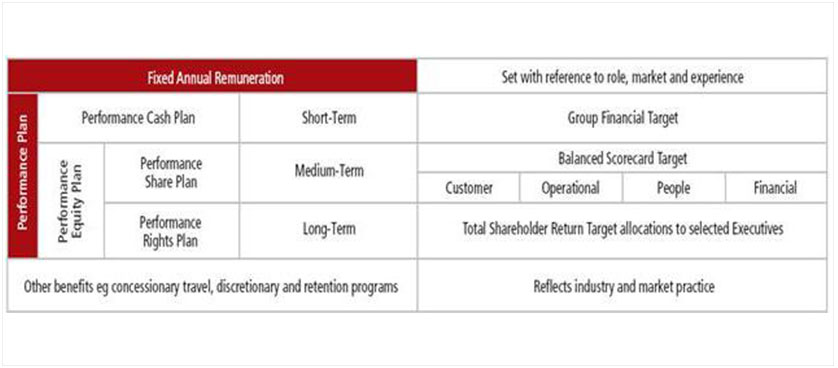
The compensation of the top executives represents an important aspect of administrative science, as it links together aspects that relate to corporate governance, human capital, organizational culture and performance management. Ideally, the executive remuneration philosophy of the organization should ensure that the remuneration properly reflects the duties and responsibilities of its executives and that remuneration is competitive in attracting, motivating and retaining people of the highest caliber.