Using technology to communicate strategy and alinging the organization


Peter Brabeck-Letmathe, Nestle CEO talking about the use of technology for communicating strategy to staff.
Get the opportunity to grow your influence by giving your products or services prime exposure with Performance Magazine.
If you are interested in advertising with Performance Magazine, leave your address below.

Peter Brabeck-Letmathe, Nestle CEO talking about the use of technology for communicating strategy to staff.

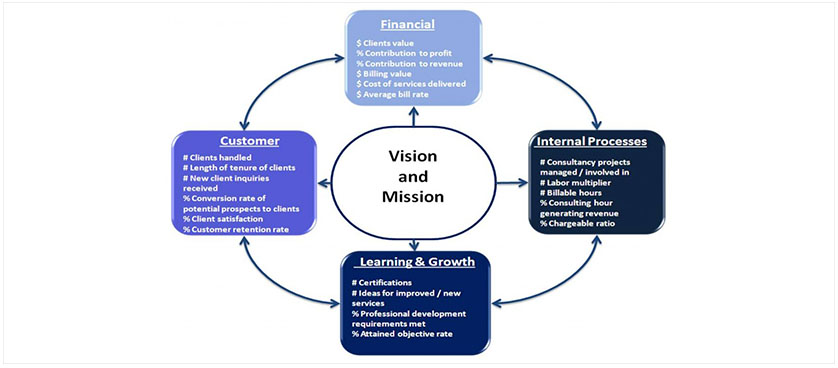
Individual performance management is perhaps the level with the longest evolution in history, as it mirrors the level of organizational maturity. Using KPIs at individual level requires a correlation with the organizational objectives and the functional responsibilities, while considering also the human factors implied.

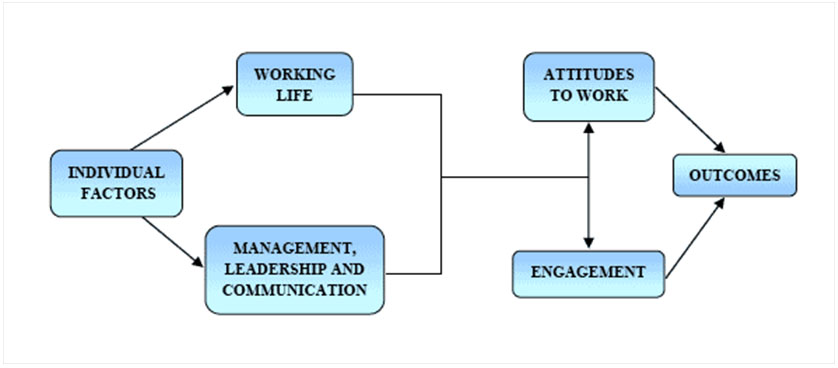
Employee engagement has become in the recent years a hot topic. Although several scholars reported that it has rarely been studied in the academic literature and little scientific evidence is available about its antecedents and consequences (Saks, 2006; Robinson et al, 2004; Macey & Schneider, 2008), research initiatives in this area are on the rise (as illustrated by the number of journal published in the last few years).


The Human Capital Institute has recently published a new report on managing human capital, with the title: Contract Talent: Are Contractors Included in Strategic Talent Management Initiatives? Based on a survey completed by 354 respondents between September and October 2010, the study explores the integration of contract workers into talent management programs.


Starting with 2002, Malaysia has taken important steps in recognizing the importance of knowledge, by launching a Knowledge Based Economy Master Plan directed towards transforming Malaysia in a knowledge based economy. One of the most important aspects considered in the plan was the increased importance that had to be showed to productivity and innovation, supported by effective management of both tangible but also intangible resources, such as human capital and knowledge (Husin et al, 2009).
Terms of use | Privacy Statement | Cookie Policy | Disclaimer | Online Dispute Resolution (ODR)
Copyright © 2004-2026 The KPI Institute Pty. Ltd. All rights reserved