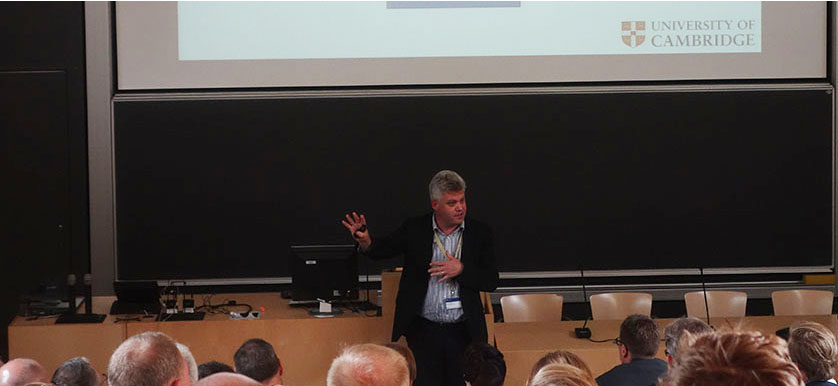
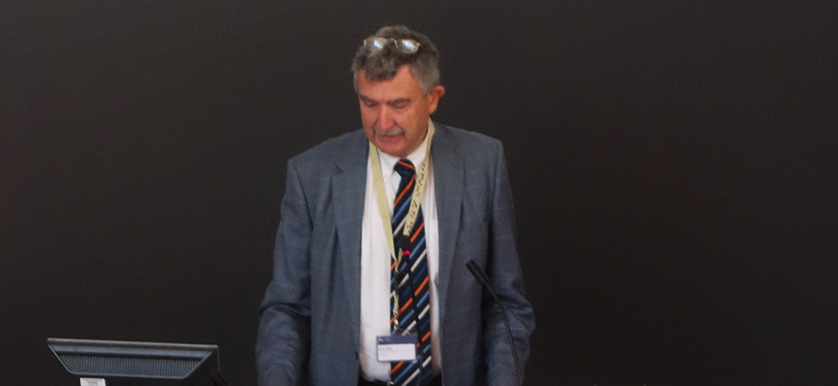
The first day of the 2014 PMA Conference, brought on a keynote presentation, delivered by Andy Neely, Professor and Director at the Cambridge Service Alliance, of the Cambridge University and PMA Chair.
Dubbed “Strategic Performance management: Past, Present and Potential” the presentation brought on a practical example, that of the British Airways’ implementation of their customer satisfaction program and suggested a new framework for performance management, in what Professor Neely calls a “turbulent” chapter in the development of mankind.
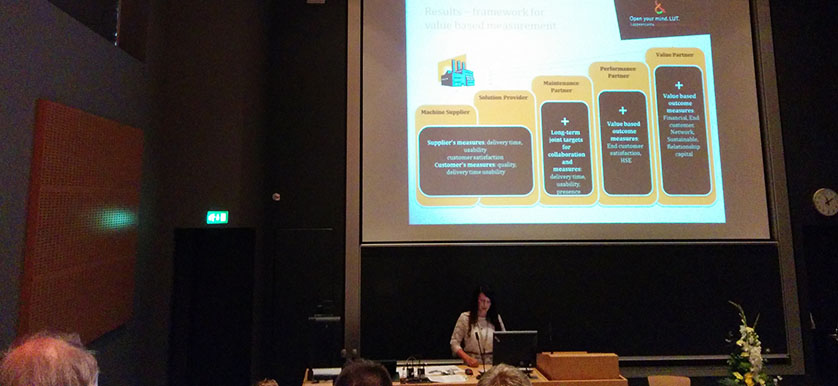
On the second day of the 2014 PMA Conference, Sanna Pekkola, Senior Researcher at Lahti School of Innovation, of the Lappeenranta University of Technology in Finland, along with Researchers Minna Saunila, Tero Rantala and Professor Juhani Ukko, of the same school, held a presentation that looks into the role of performance measurement within industrial services.
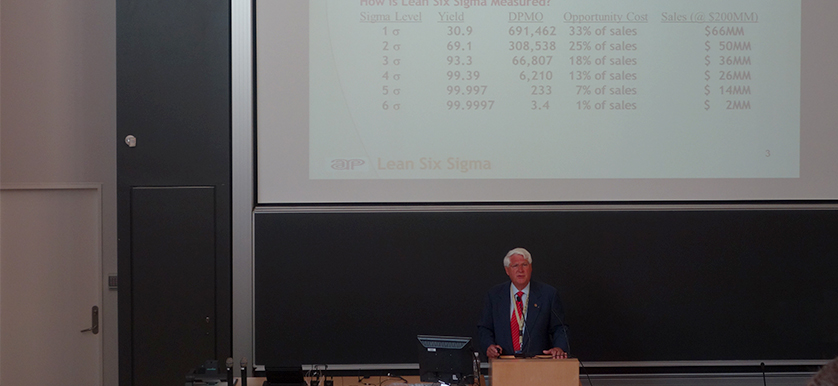
Another key presentation of the PMA 2014 Conference’s first day, “From Belts to Baldrige”, was held by Charles Aubrey, Chairman at Asia Pacific Quality Organization, Managing Partner at Aubrey Partners and Former Vice President of Quality at Anderson Packaging. The presentation focused on exploring Anderson Packaging’s journey from implementing the Lean Six Sigma methodology to winning the Baldrige Awards.
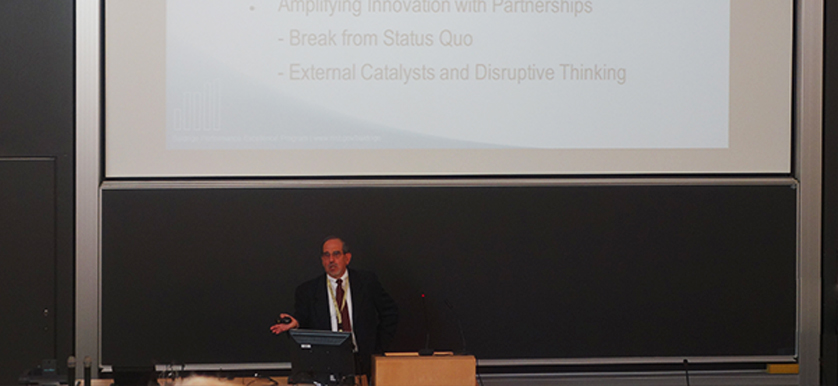
On the first day of the PMA 2014 Conference, Harry Hertz, Director Emeritus of the Baldrige Performance Excellence Program held a keynote presentation titled “The challenge of being outstanding: A look back and ahead after 25 years of guiding performance excellence in the U.S.” His research focused on the past and present challenges of achieving performance excellence in the United States of America, and provided some hypotheses on performance related future developments.
In the first day of the PMA 2014 Conference, Børge Obel, Director of the Interdisciplinary Centre for Organizational Architecture, held a presentation titled “New Organisation Forms and Reorganisation in a Modern World”, which focused on the main changes that have recently appeared in organizational architecture.