When someone hears the word ‘fashion’, he or she automatically thinks of skinny models, catwalk, glamorous life, maybe eating disorders, shallowness or why not, money. But, as usual, there’s more here than meets the eye.
What people seem to forget is that in order to have a (successful) collection, some bullet points need to be ‘checked’. A lot of people are involved, from designers to manufacturers, models to managers and sales persons, for instance. Just like a very complex, well-oiled machine. The fashion industry is just like any other industry. Brands have to be creative, to impose themselves on the market, to attract clients and to sell their products.
If you mention the words “performance reviews” into an office, you will observe how most of the employees will either groan, or make faces. And that is because everyone sees the yearly performance measurement as a painful experience.
I think we all agree that nowadays, Microsoft is not the company it was once. A decade ago, they were ‘on top of the mountain’ and now, because of the “astonishingly foolish management decisions”, as Kurt Eichenwald (two-time George Polk Award winner and VanityFair’s newest contributing editor) stated, they are barely keeping their heads above the water. He made some investigations, and thanks to dozens of interviews and internal corporate records, he managed to find out details that show Microsoft’s true colors, while under ‘the reign’ of Steve Ballmer, the current C.E.O.
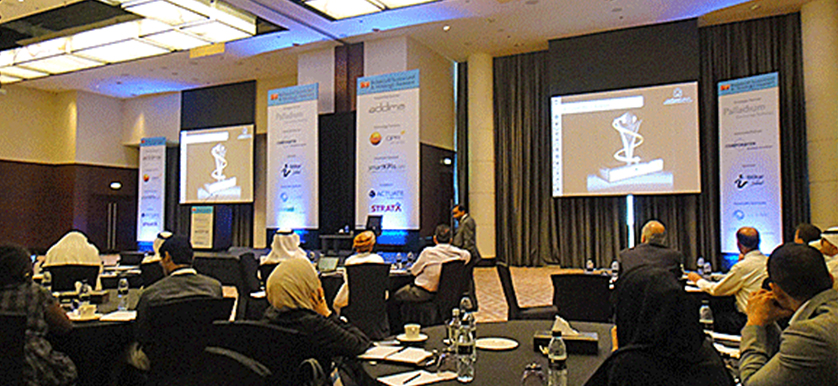
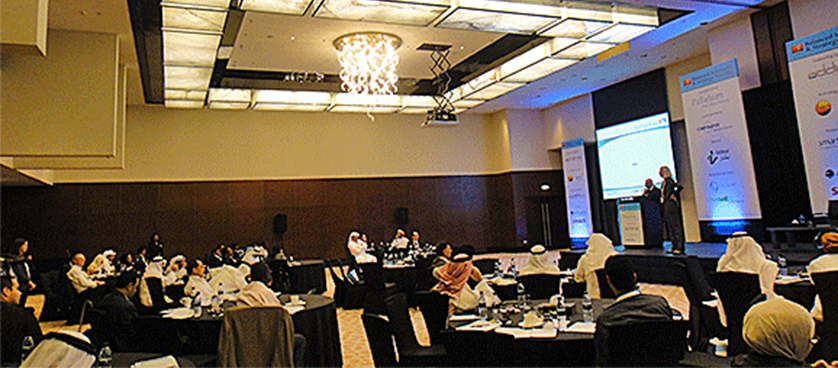
The second day of the Balanced Scorecard Forum continued to exhibit practical examples of how the Balanced Scorecard framework can be used in practice.
Karola Lepasar from the Department of Economic Development in Dubai delivered a presentation on the topic of automating the performance reporting process.