Recently, we have posted a top containing the best universities in the world for the academic year 2012-2013. The universities were chosen in terms of academic performance, research, innovation degree and staff, a very complex process involving performance indicators being set in place. I figured I would post an update of the top, given the fact that another year has passed and that the data have been collected. However, the top did not change that much, except the fact that Harvard got its leading position back. So, I decided to post a top of universities … by reputation. But what would be the difference between these two tops? Isn’t reputation a “sum-up word” for those mentioned above?
Everyone has been through this: trying to choose a university that best suits their needs. Fortunately, nowadays people can benefit from official rankings of the best universities in the world. One of the key annual events in the international higher education calendar is represented by the publication of the Times Higher Education Rankings, which helps undergraduates and postgraduates to choose their degree courses form a large “pallet of colors”. Moreover, academics can take informed decisions regarding their career, research teams can identify new partners and university managers can benchmark their performance and set their strategic objectives.
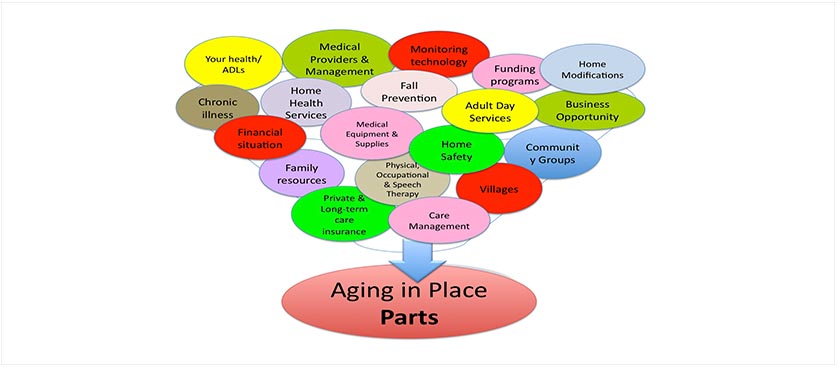
What does aging in place mean? It is the ability to remain in one’s home or community, in spite of potential changes in health and functioning in later life. In a livable community, residents of all ages can maintain their independence and enjoy a high quality of life.
People are driven by ambition and we all want to be the best: the best employee, the best company. And we want the best for us: the best phone, the best car, the best house. But what about our health? Although sometimes taken as granted, we have to admit that it is the most precious thing we have because without it, we cannot be the best. So, if we get sick, then probably we want the best care in the world. But which hospitals are the best in the world?
Conference interpreting refers to a setting in which a speaker delivers a speech in a different language than the listener’s, the interpreter’s role being to make possible the communication between the two parties involved. It can be done in two modes: consecutive (after the speaker has uttered a chunk of speech or the entire speech) and simultaneous (while the speaker delivers his or her speech).