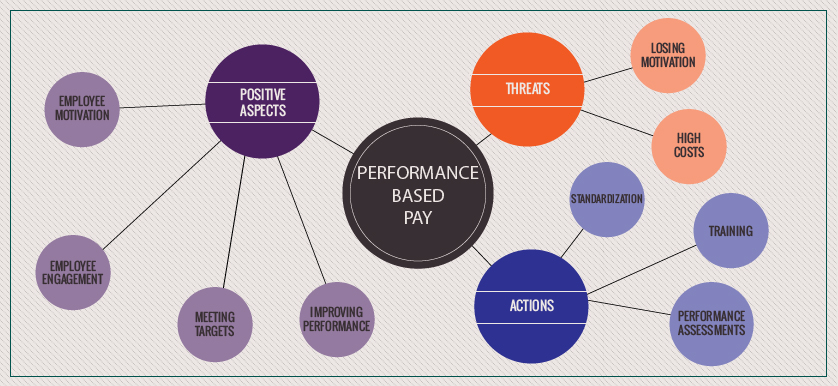
Motivational. Rewarding. Engaging. Performance driver. These are just a few of the words that are usually used to describe performance based pay systems. To this point, nothing wrong, you could say. Indeed, from the employees’ point of view, performance based pay could be nothing but beneficial. But realistically, how much would the company benefit from this type of system? Can it become harmful for the organization’s overall performance?
For the report Performance Management in 2013, The KPI Institute conducted 20 semi-structured interviews with practitioners, academics and consultants from 18 countries, who provided rich insights into the state of Performance Management as a discipline.
One of the most important editorial rules followed in the development of the content is that a discipline can only evolve through the combined efforts of practitioners, academics and consultants. Andrés Felipe Molina Orozco, Director and Consultant of Tracest Consulting Group, Colombia was one of the consultants that The KPI Institute has interviewed.
Employee satisfaction reflects the personnel’s level of contentment with their company. Why is it important? Because it’s correlated with # Employee tenure, % Employee turnover and # Employee commitment index, 3 important KPIs that influence business growth.
Performance management can provide organizations with information on their status and progress, and it can influence the decision-making process. Among the different decision-making aspects, it can have an impact on the way resources are allocated, as it is the case in education.
The HRSS & Outsourcing Summit ended on 21st of May with The KPI Institute presentation on KPIs, Scorecard and Dashboard for HR facilitated by Cristina Tărâță, Research Coordinator.