In late 1960s, Ford was facing increasing competition from domestic carmakers and Japanese imports.
Mandate
In June 1967 Ford started planning a new model that would outdo the competition. Lee Iaccoca, Vice-President and head of production at the time championed the project that was meant to deliver what was nicknamed “Lee’s car”. lee formulated a set of performance indicators with specific targets to define the parameters of the new product: “The Pinto was not to weigh an ounce over 2,000 pounds and not cost a cent over $2,000” (Dowie, 1977).
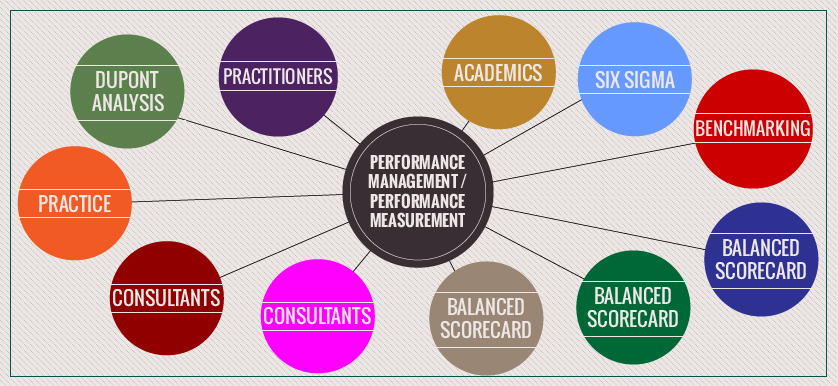
In my previous update, I discussed the concept of taxonomy and outlined the structure of a Performance Management taxonomy. A subset of Performance Management is Performance Measurement and thus a separate taxonomy is required to illustrate its key elements.
Taxonomy is a knowledge management tool used to provide structure to unstructured information. It is about categorizing individual elements into groups, categories or hierarchies based on common elements. The purpose of developing taxonomies is to enable findability and facilitate the identification of patterns. An example of taxonomy is the grouping of organisms in an ordered hierarchy that indicates natural relationships.
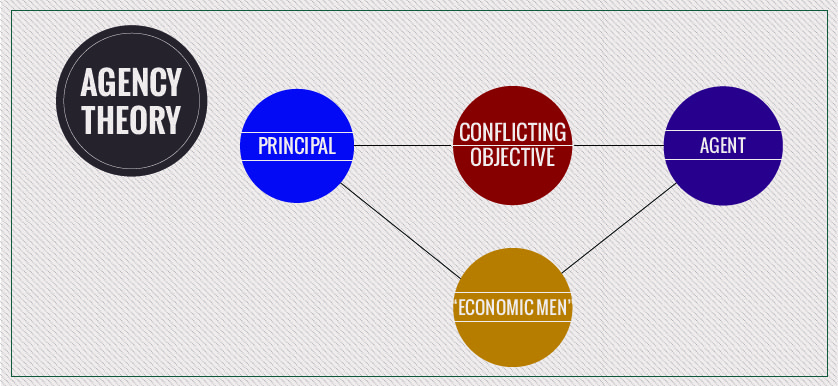
Agency theory has its origins in the research conducted by economists in the 1960s and 1970s, exploring risk sharing among individuals and groups, such as the relationship between insurers and customers.