One of the keys to success in benchmarking is connected to selecting the right benchmarking partners and learning from the best in class organizations. However, the process required in the selection phase is a very complex one which needs to have the proper time and resources allocated.
In a previous article, I presented the strategic plan of IFMA, the international association for facility management professionals that provides global level educational programs and conferences in the field.
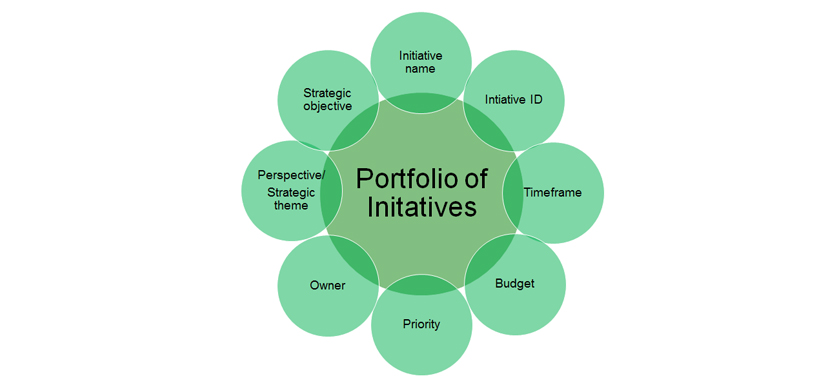
Another strategic instrument is the Portfolio of Initiatives. Initiatives or projects are the ones that help managers close the performance gap between actual results and targets. Taking actions is the first step to improvement.
The City of Tacoma’s operations are constantly under track, in order to provide its residents valuable services 24-hours a day, seven days a week. The results of its performance are made available to citizens, to keep them informed about the effectiveness of the City’s programs, about the way tax revenues are being spent and about the progress toward the City’s goals.
Tacoma 24/7 is a quarterly report on 24 indicators the City monitors in 7 key service areas: Public Safety, Infrastructure, Community Services, Economic Development, Convention, Visitor & Arts, Sustainability, Open Government.
In many cases, companies hire contractors either to have specific types of work done, or to reduce their workload. In this manner, long-term relationships are established with the companies whose capabilities complement or supplement their own.
We live in a world where companies are rapidly growing, developing their services and entering new markets. For achieving success, organizations invest more and more in the human capital, as one of the company’s main assets.
Having a large number of employees might have downsides, and one of them is that some employees can get lazy at their job. Organizations can track the results of the company or department, but that doesn’t always reflect the volume and quality of work each employee has done.