Non-executive boards seem to have been left behind in terms of performance measurement, as there are few insights into how this process can be optimized, in order to increase boards’ effectiveness and to make sure they lead organizations towards success.
“If you pick the right people and give them the opportunity to spread their wings—and put compensation as a carrier behind it—you almost don’t have to manage them.” Jack Welch
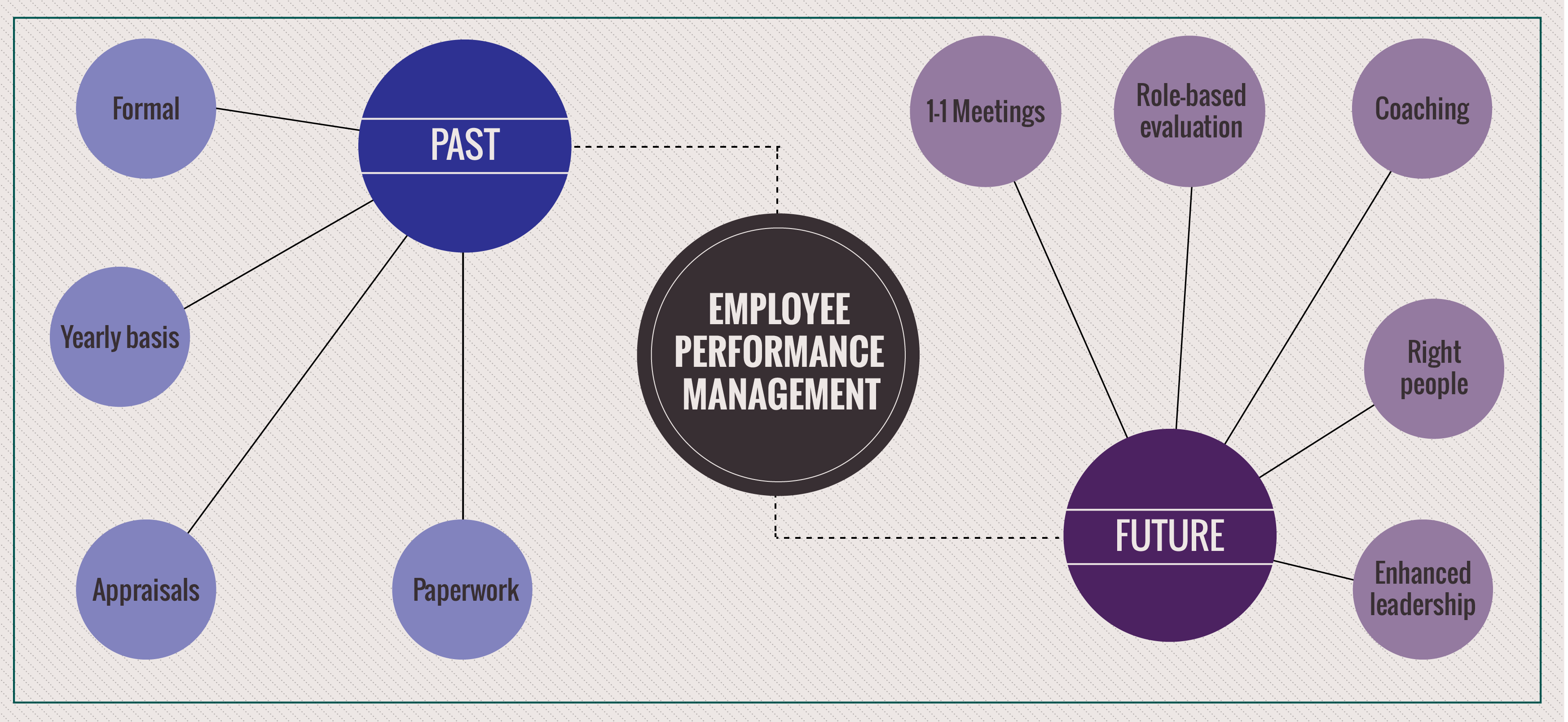
Performance management, and especially performance management at individual level is a hot topic, debated by HR professionals, managers, employees, academics, researchers and practitioners alike. In the past almost 50 years, ever since it started being formally implemented, both the process itself and the name used to describe it have gone through numerous changes. So what is in store for performance management?
Over the last decades, more and more organizations have broken the boundaries of traditional, financial-based performance measurement, and started using KPIs for monitoring other activities as well. Furthermore, assessing individual and team performance has become a common practice in organizations where leveraging talent can represent a competitive advantage. Evaluating board performance is important, as this entity is responsible for ensuring that the organization’s desired state of evolution is successfully reached.
In the workplace, the concept of equity refers to comparisons employees make between themselves, their co-workers, and also people from other firms, in terms of inputs and outcomes.