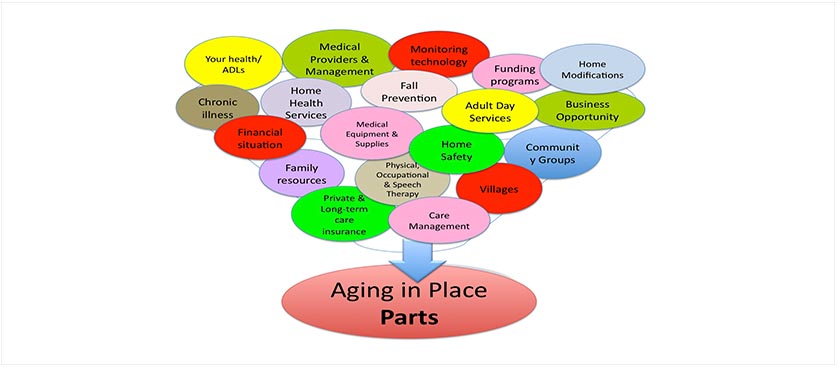
What does aging in place mean? It is the ability to remain in one’s home or community, in spite of potential changes in health and functioning in later life. In a livable community, residents of all ages can maintain their independence and enjoy a high quality of life.
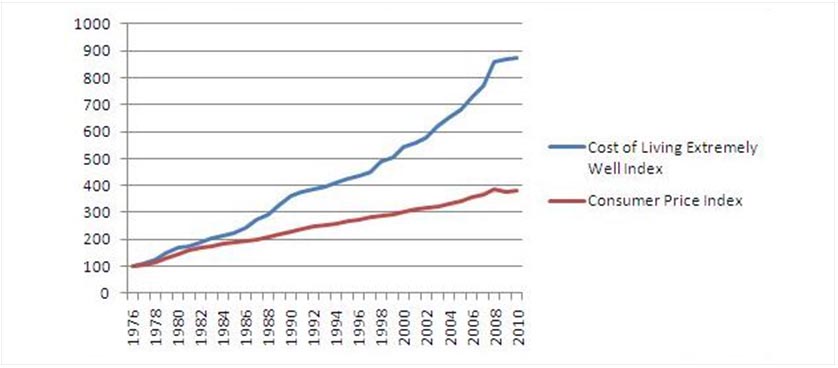
Forbes lauched in 1976 the Cost of Living Extremely Well Index (CLEWI) that measures the price of a basket of luxury goods, being considered to be for the very rich what the Bureau of Labor Statistics’ Consumer Price Index is to ordinary people. The index is based on the selection of 40 goods and services reserved to very rich customers, such as:
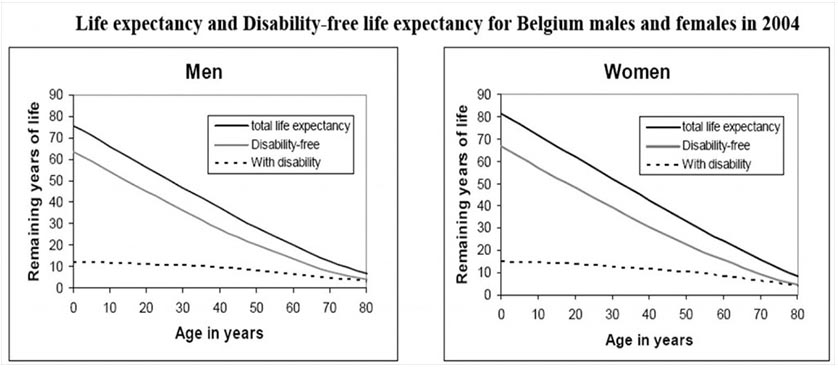
In a recently published article, A Healthy Bottom Line: Healthy Life Expectancy as an Outcome Measure for Health Improvement Efforts, the Milbank Quarterly, a multidisciplinary journal of population health and health policy, recommends the adoption and adaptation of Healthy Life Expectancy (HLE) as an national outcome measure in USA.
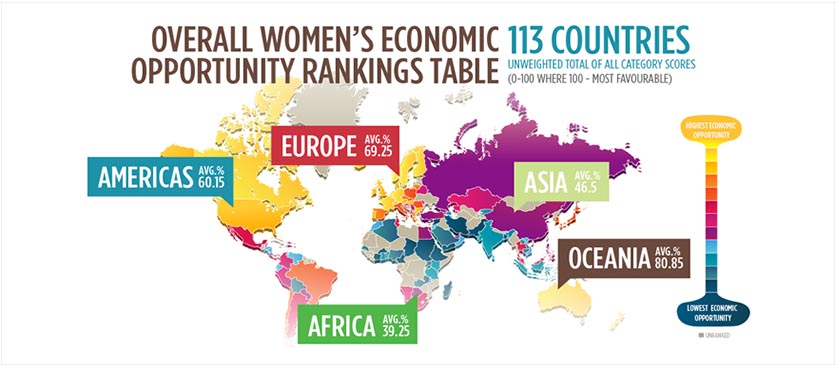
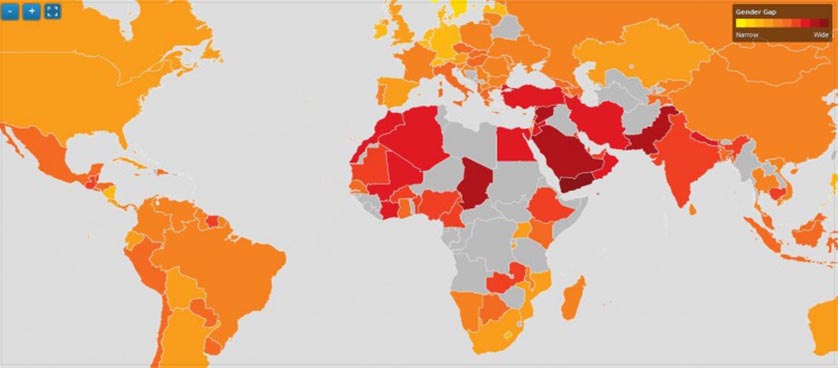
The Global Gender Gap Index, first introduced in the World Economic Forum’s Global Gender Gap Report 2006, represents a framework for capturing the magnitude and scope of gender-based disparities and tracking their progress. The Index offers national benchmarking on gender gaps for economic, political, education and health based criteria, providing country rankings that allow effective comparisons across regions and income groups, over time (World Economic Forum, 2009).